Kenya’s National Assembly has raised serious concerns over the standards of health training institutions, warning that gaps in registration, faculty, and clinical training are putting students and patients at risk.
MPs say reforms are urgently needed to ensure that health professionals are competent and that graduates meet national and international expectations.
The warning follows a detailed audit of 152 medical training institutions, which revealed that eight per cent of schools admitted students without proper registration and 26 per cent failed to meet the recommended faculty-to-student ratio of 1:10.
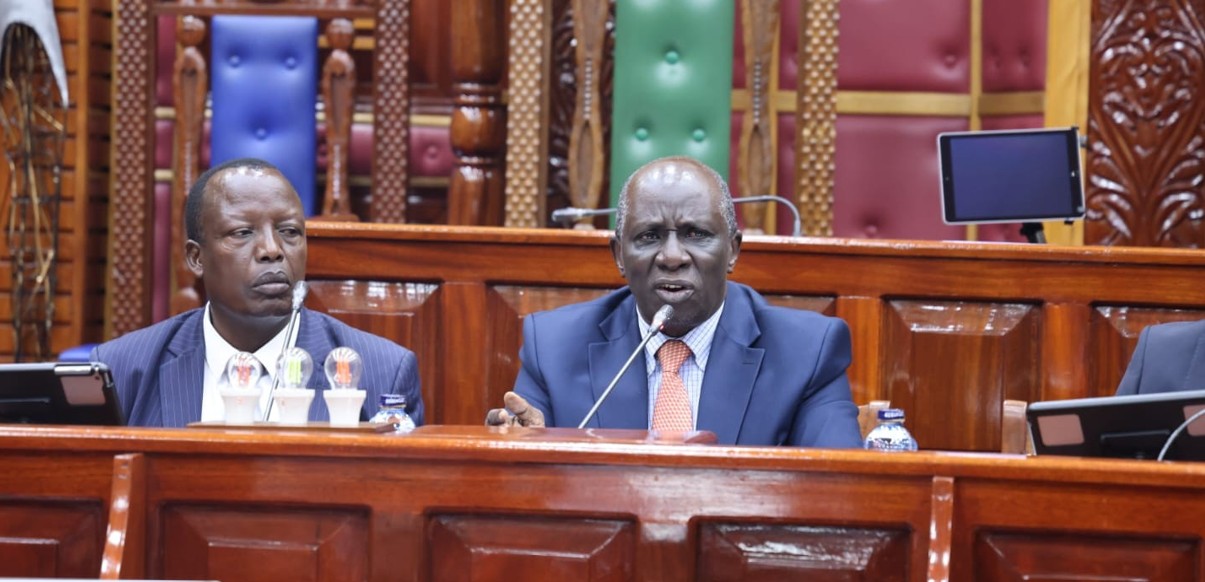
The results were discussed during a joint session of the Education and Health Committees, convened to examine a petition from the Association of Medical Training Institutions of Kenya (AMTI–K), which sought recognition and fair regulation for private health colleges.
Jackson Kioko, CEO of the Kenya Health Professionals Oversight Authority (KHPOA), told MPs that the audit exposed major variations in training programs.
“Entry requirements for similar courses varied widely, with certificate courses ranging from 6–12 months and diploma courses lasting 24–36 months. Additionally, some colleges provided no clinical exposure at all, while others offered 0–24 months of practical training,” he said, warning that such disparities threaten patient safety and the credibility of the health workforce.
The petition also raised issues of discriminatory practices, arbitrary fees, and overlapping mandates among regulatory bodies such as TVET CDACC, KHPOA, and professional councils.
Health Committee Chair James Nyikal said these conflicts have created inefficiencies and uncertainty.
“It has become clear that there are far too many bodies regulating health training, yet the quality of graduates is still uncertain. The fees charged to private institutions are prohibitive and inconsistent. We must harmonise training standards,” he said.
Endebess MP Robert Pukose called for immediate action to standardise regulatory fees. “Why should every agency charge its own levies? This duplication burdens parents and students and must be harmonised,” he said.
Kibra MP Peter Orero noted the unfair treatment of private institution students. “This petition exposes discrimination against students in private institutions. We must ensure that all trainees, whether public or private, receive equal treatment, training and certification,” he said.
Officials from TVETA reported that Kenya has 237 accredited medical training institutions, including 88 private colleges, but warned that unregulated centers threaten quality assurance.
“The export demand for health workers has led to the rise of illegal training centres that are not accredited. We propose legislative harmonisation of the Health Act, TVET Act, and related laws to strengthen oversight,” they said.
Education Committee Chair Julius Melly urged regulators to work together to review legislation and clarify responsibilities.
The joint committee directed KHPOA, TVETA, KNQA, and professional councils to create a unified framework for entry requirements, curricula, and fees.
Nyikal called for a roadmap to harmonisation: “KHPOA should work with all training regulators, including TVETA, CDACC, KNQA and the professional councils, to develop common policies for curriculum, qualification standards and training oversight. The goal is to ensure that Kenya produces competent and ethical health professionals.”
The committees are expected to present a detailed report to Parliament with recommendations for legislative amendments to streamline regulation and improve quality in the health training sector.































Comments
Sign in with Google to comment, reply, and like comments.
Continue with Google